
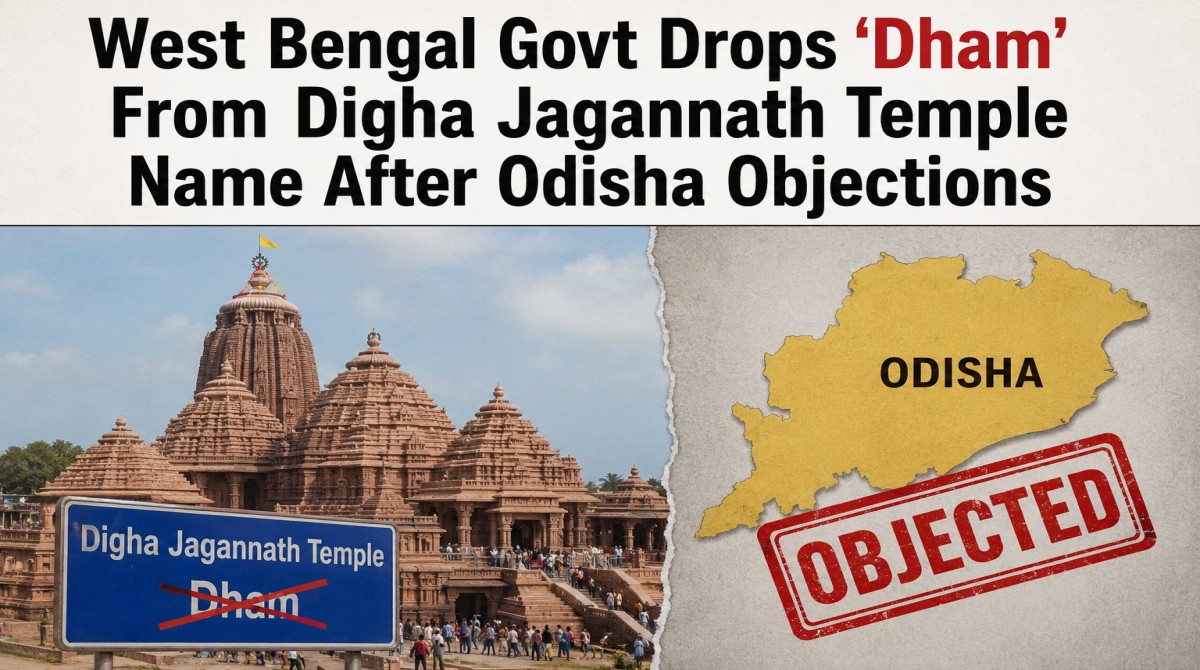
Bhubaneswar (Special Correspondent, The Fact Bureau): In a significant development amid the controversy surrounding the Digha Jagannath temple project, the West Bengal government has decided to remove the word ‘Dham’ from the temple complex’s official name.
The announcement was made after a communication from Odisha Chief Minister Mohan Charan Majhi, which was conveyed through Puri MP Sambit Patra.
Read More: What If Mamata Banerjee Won’t Resign as West Bengal CM – Know What Rules Say
The move comes after objections from devotees, religious scholars and temple servitors who argued that the use of the term ‘Dham’ for the Digha shrine could create confusion with the centuries-old Shree Jagannath Temple in Puri.
Addressing the issue, West Bengal Chief Minister Suvendu Adhikari stated that the facility would now be known as a cultural centre complex rather than a ‘Dham’.
He said the previous government had approved the project as the ‘Shri Shri Jagannath Dham Cultural Centre’, but the term had sparked concerns because of its religious and cultural implications.
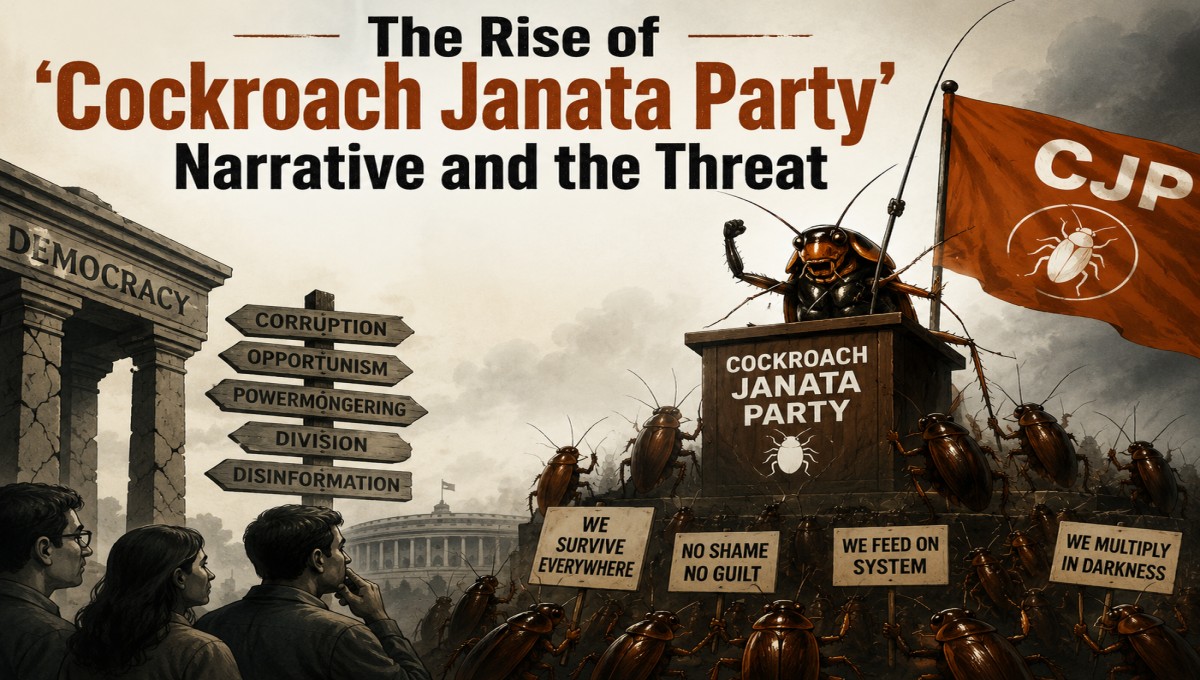
Read More: When Satire Turns Toxic: The Rise of ‘Cockroach Janata Party’ Narrative and the Threat
According to him, the decision was taken out of respect for Sanatan traditions and Indian cultural practices. He also assured that all rituals and worship at the Digha complex would be conducted in accordance with established Jagannath traditions and religious customs.
The naming dispute had triggered strong reactions in Odisha, where devotees and religious institutions maintained that the designation ‘Jagannath Dham’ is intrinsically linked to Puri, one of Hinduism’s four sacred Dhams.
With the removal of the disputed term, the immediate controversy appears to have eased. However, debates surrounding the preservation of Jagannath traditions and related religious practices continue to generate discussion among devotees and cultural observers.