
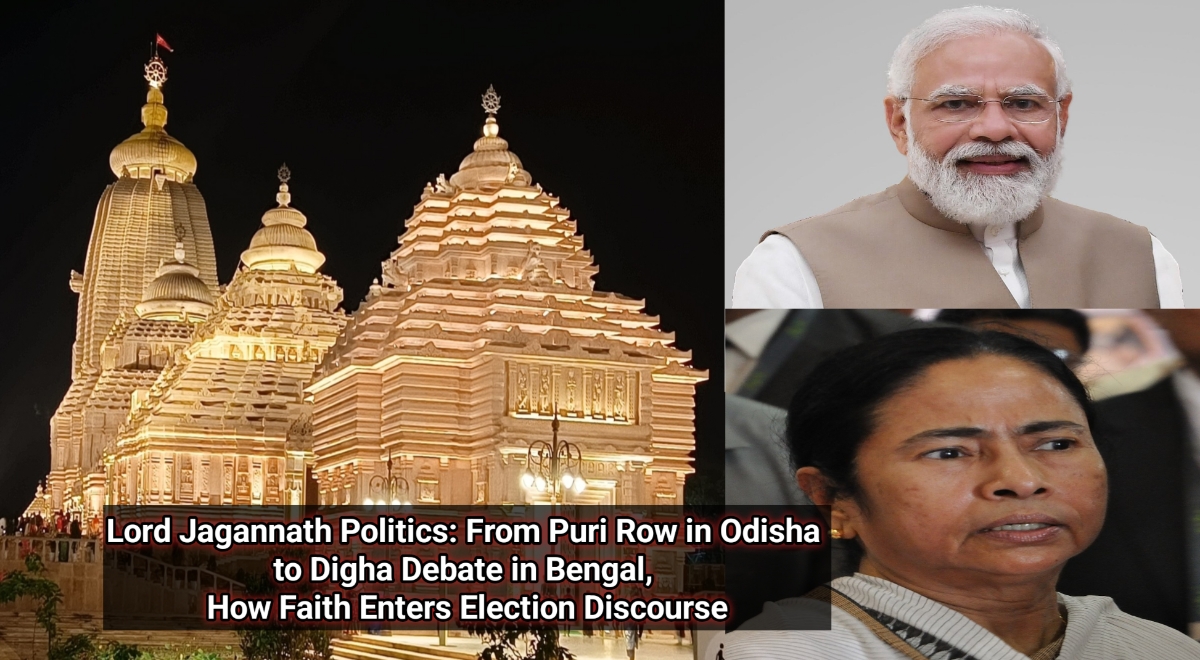
Bhubaneswar (Special Correspondent, The Fact Bureau): As the Bharatiya Janata Party is all set to dethrone the Mamata government in West Bengal, religion and politics have once again intersected in eastern India, with Lord Jagannath at the centre of public discourse- from Odisha to West Bengal.
Ahead of the 2024 Assembly elections in Odisha, the Parikrama project around the Jagannath Temple in Puri became a major talking point. Allegations of corruption and irregularities linked to the project were raised by opposition parties, putting the then ruling Biju Janata Dal under pressure. The issue sparked widespread debate, with sections of the public expressing concern over transparency and the handling of a project associated with a revered religious site.
Political observers noted that the controversy became one of several factors influencing voter sentiment as the Bharatiya Janata Party went on to register a strong performance in the state.
Religious-Political Debate Emerged In West Bengal
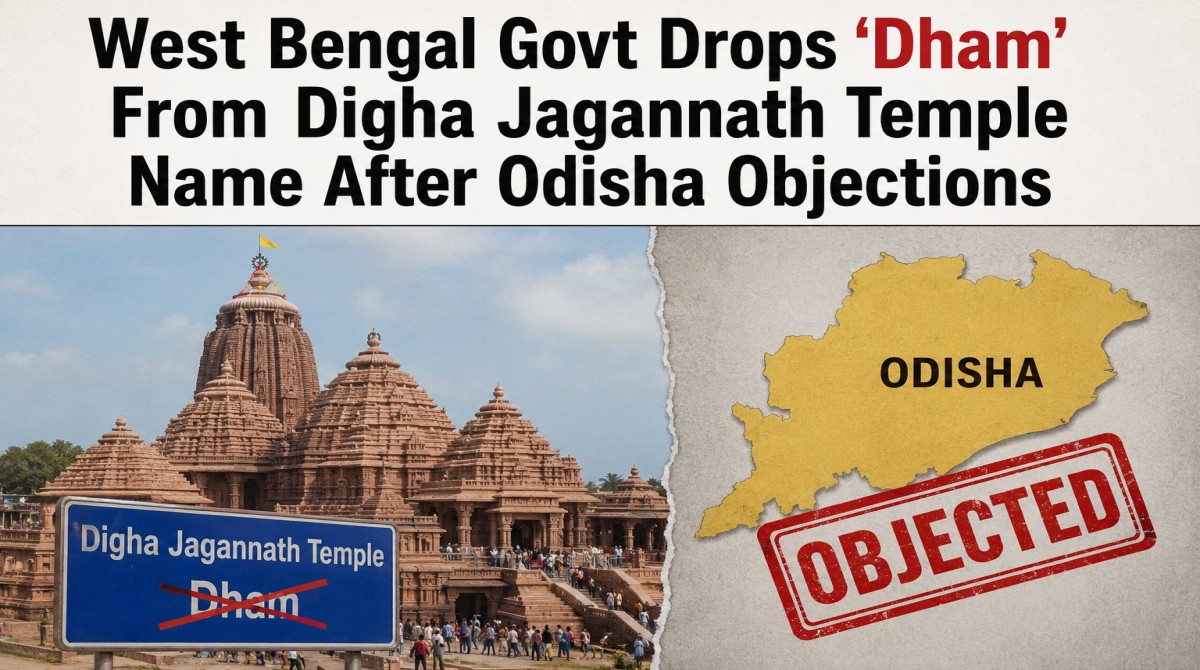
Now, a similar religious-political debate has emerged in West Bengal. The construction of a Jagannath temple in Digha and references to it as a “Dham” has triggered reactions, particularly from sections in Odisha. Critics argue that in Hindu tradition, only four sites are recognised as “Dhams,” with Puri being one of them, and have questioned the terminology being used.
The development has led to a broader conversation around faith, tradition, and political messaging. While supporters describe the project as an effort to promote religious tourism and cultural heritage, others see it as a sensitive issue linked to long-standing beliefs and regional identity.
As elections approach, analysts say such issues often resonate strongly with voters, especially when they involve deeply held religious sentiments. While the final results are yet to come, what is clear is that Lord Jagannath, a symbol of faith for millions, has once again become part of a larger political narrative- one that stretches beyond state boundaries and into the heart of public sentiment.